Ensuring the Success of Modernization Initiatives through Technical Fluency in Product Teams
Ensuring the Success of Modernization Initiatives through Technical Fluency in Product Teams
Modern cloud-based systems require product managers who can collaborate deeply with engineering but most PMs were never trained to operate in these environments.

" height="20px" id="D2av7Oa6w" width="20px"/></svg>)
" height="20.035778175313055px" id="eWFuVHpu9" width="22.150617531305898px"/></svg>)
" height="20.19299259259259px" id="jW1ICukqX" transform="translate(0 0)" width="20.05540740740753px"/><path d="M 5.014 19.008 C 7.783 19.008 10.028 14.753 10.028 9.504 C 10.028 4.256 7.783 0 5.014 0 C 2.245 0 0 4.256 0 9.504 C 0 14.752 2.245 19.008 5.014 19.008 Z" fill="rgb(0, 0, 0)" height="19.00823703703702px" id="o80dVBhnW" transform="translate(21.028 0.592)" width="10.02800000000002px"/><path d="M 1.764 17.031 C 2.738 17.031 3.527 13.218 3.527 8.515 C 3.527 3.813 2.739 0 1.764 0 C 0.79 0 0 3.814 0 8.515 C 0 13.217 0.79 17.031 1.764 17.031 Z" fill="rgb(0, 0, 0)" height="17.030755555555572px" id="dzJnzwG1A" transform="translate(32.028 1.58)" width="3.527407407407395px"/></g></svg>)
The Transition to Modern Cloud-Based Systems
Across tech-enabled industries, organizations are modernizing their products and technology stacks to stay competitive in an increasingly cloud-driven world.
These modernization initiatives—such as cloud migrations, legacy database replacements, and enterprise technical transformations—allow organizations to support faster product development, lower cost, and greater scalability. As a result, technical transformation has become a central priority for organizations.
Modernization requires close product and engineering collaboration
While modernization efforts unlock significant benefits, they also introduce new technical complexity for the teams responsible for building and evolving these systems.
Transitions to modern cloud-based systems require close coordination across engineering, product, and data teams to ensure that new systems support both technical requirements and product goals.
In these environments, strong collaboration between product and engineering becomes critical to the success and velocity of modernization efforts. When this collaboration works well, product teams are better able to:
Maintain development velocity during complex cloud migrations and modernization of legacy systems
Identify and mitigate technical risks earlier in the product development process
Make faster, more informed technical trade-offs alongside engineering teams
Technical fluency of product teams is critical for high-velocity, low-risk technical transitions
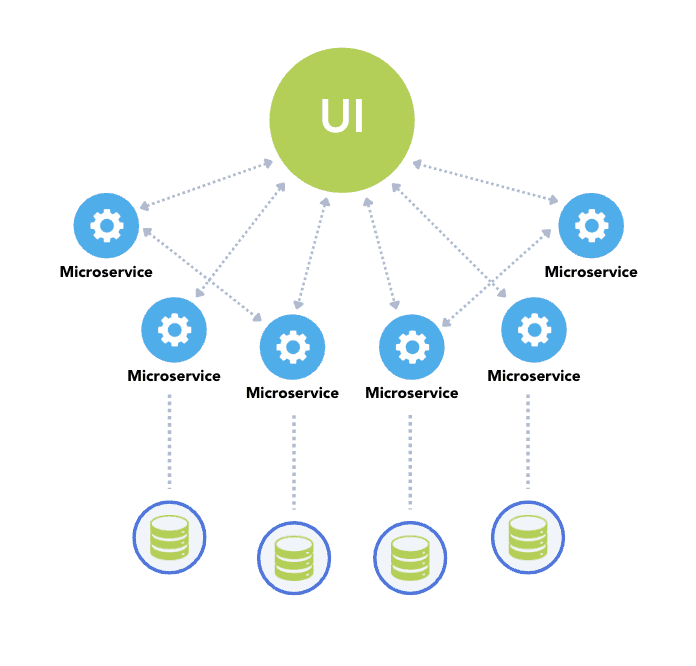
Yet as organizations modernize their technology stacks and adopt cloud-native solutions, many PMs find themselves operating in environments that are far more technical than their existing capabilities. Many product managers transitioned into the role from non-technical backgrounds, and their career paths often did not require exposure to areas like cloud architecture, infrastructure, APIs, databases, or deployment strategies.
Without this foundation, product managers become bottlenecks to the success of digital transition efforts.
Strengthening technical fluency across the product organization allows teams to maintain development velocity, and mitigate risks before, during and after complex modernization initiatives.
Building technical fluency across product teams
Effective collaboration between product managers and engineers during transitions to modern cloud systems requires product managers to reason through technical decisions together with engineering.
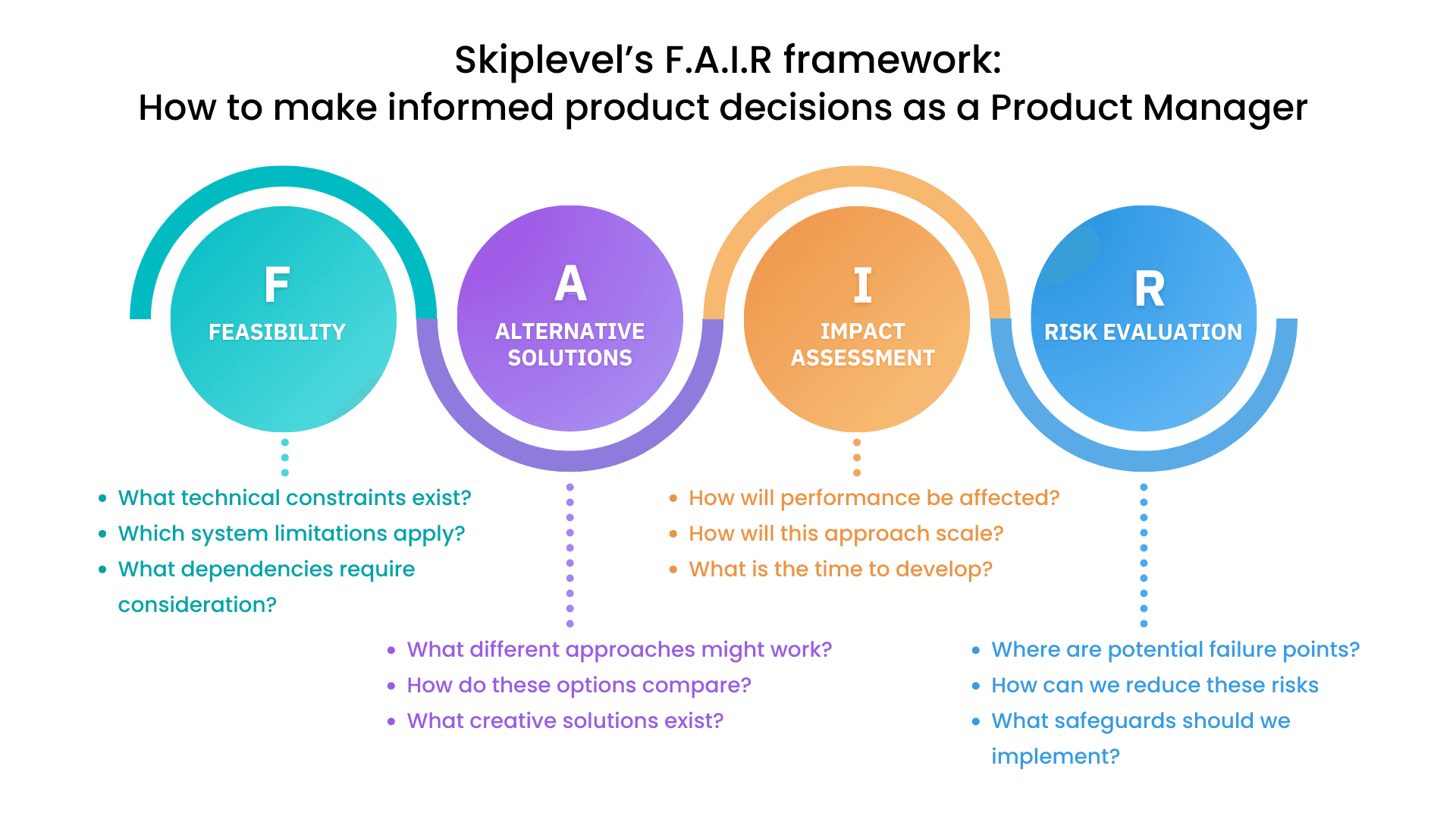
At Skiplevel, we teach PMs the technical skills and knowledge needed to approach these decisions using the F.A.I.R framework:
Feasibility — understanding system constraints, technical limitations, and key dependencies
Alternative Solutions — exploring different implementation approaches with engineering teams
Impact Assessment — evaluating the short- and long-term implications of decisions on development time, maintainability, scalability, and performance
Risk Evaluation — identifying potential failure points and mitigating risks that could impact project success or delivery timelines
In order to do this effectively, product managers need a strong technical foundation in how modern software systems actually work.
However, traditional technical training—such as AWS certification programs—are overwhelming and ineffective for PMs without prior technical training.
These programs are typically designed for professionals with existing technical acumen, making it difficult for non-technical PMs to absorb the concepts and apply them to their specific use case.
How Skiplevel turns non-technical product managers into technical leaders
Rather than turning PMs into engineers, Skiplevel builds the foundational technical fluency product managers need to collaborate confidently with engineering teams and apply the F.A.I.R framework when making product decisions.
The program focuses on teaching the core concepts behind modern cloud-based systems—including architecture, APIs, databases, infrastructure, and system design—in a way that is structured, approachable, and easy for product managers to absorb.
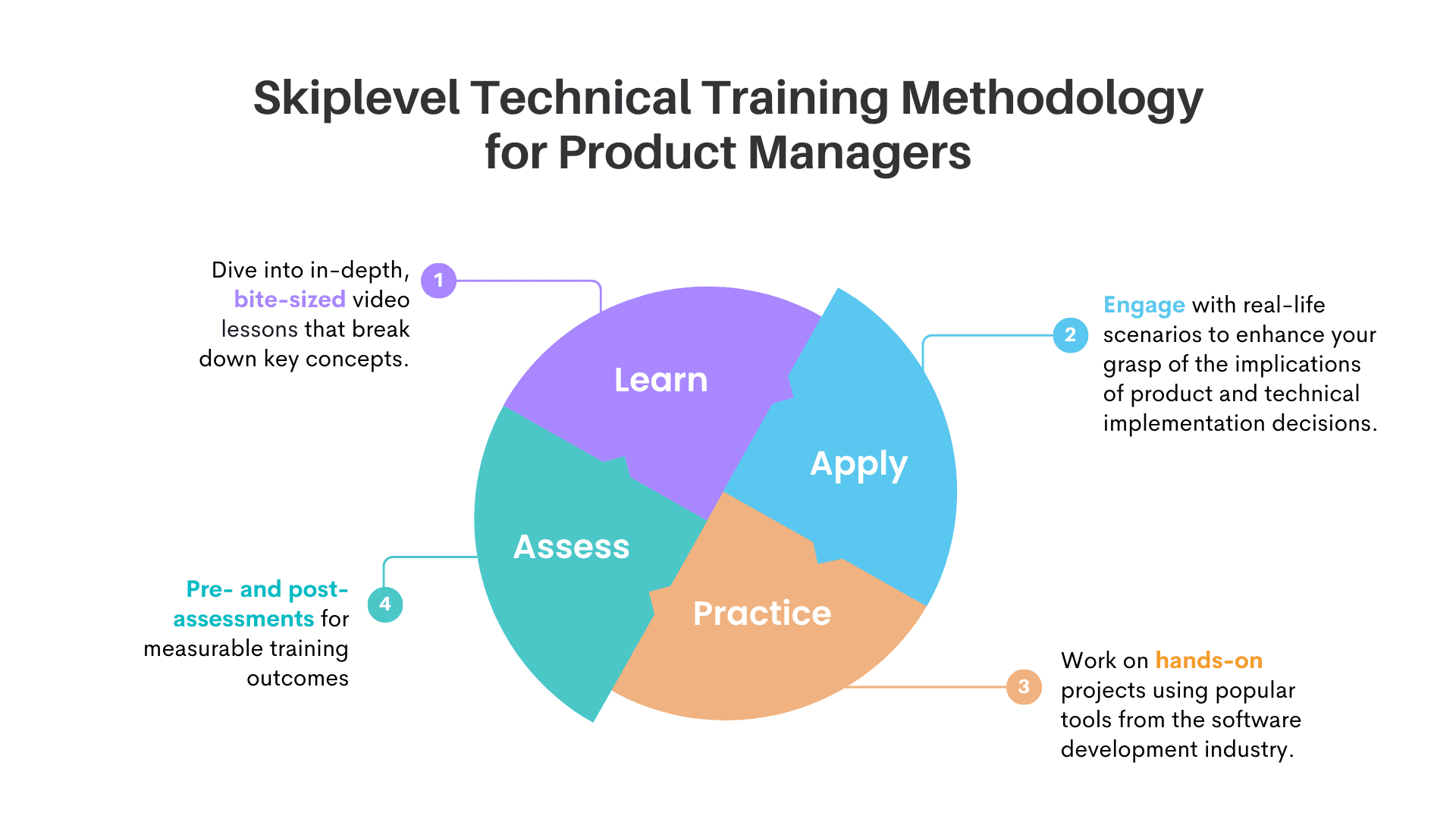
Organizations typically engage with Skiplevel through two program formats:
Access Pass — A flexible, self-guided learning option that gives product managers ongoing access to the full Skiplevel curriculum so teams can build foundational technical knowledge at their own pace.
Outcome Program — A 8-week structured team learning experience designed to rapidly build technical fluency across a product organization, with an average of 40% higher completion rates compared to self-guided learning.
Together, these programs help organizations strengthen technical fluency across their product teams in a way that is practical, approachable, and directly applicable to real product and engineering decisions.
Next Steps
Organizations and teams exploring how to improve product–engineering collaboration and maintain development velocity during modernization initiatives can schedule a 30-minute discovery conversation with the Skiplevel team.
Ensuring the Success of Modernization Initiatives through Technical Fluency in Product Teams